Why heart disease strikes Indians a decade younger
March 5, 2026
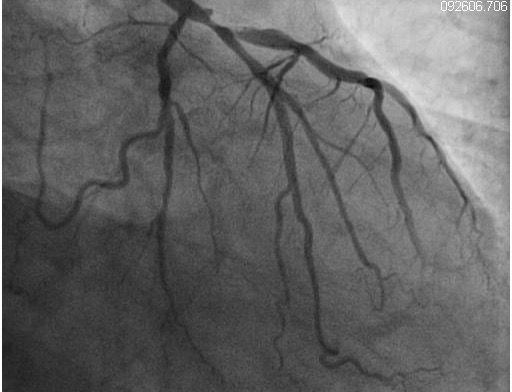
In my three decades as a cardiovascular surgeon, one pattern has never stopped troubling me: the Indian heart patient is younger than his Western counterpart — often by a full decade. Men and women in their forties, sometimes their thirties, arrive with disease that in Europe I saw mostly in the sixties and seventies.
A different disease
Indian coronary artery disease tends to be diffuse. Instead of one discrete blockage that can be bypassed or stented, the narrowing often runs along the length of the vessel. Add to this a very high incidence of diabetes — which quietly accelerates the disease and mutes its warning symptoms — and you have a condition that demands earlier vigilance and, when surgery is needed, greater technical care.
What you can do
The arithmetic of prevention has not changed: know your blood pressure, blood sugar and cholesterol numbers from your thirties onwards; walk briskly for at least thirty to forty-five minutes daily; do not smoke; and take a family history of early heart disease seriously — it is one of the strongest predictors we have.
When surgery is the answer
When bypass surgery is needed, the diffuse Indian pattern is exactly why experience matters. Techniques such as off-pump bypass and total arterial grafting were refined for precisely these situations. Surgery does not cure coronary artery disease — it restores blood flow and protects the heart muscle — so the discipline of risk-factor control continues for life. But done well, and done early enough, it gives back decades.